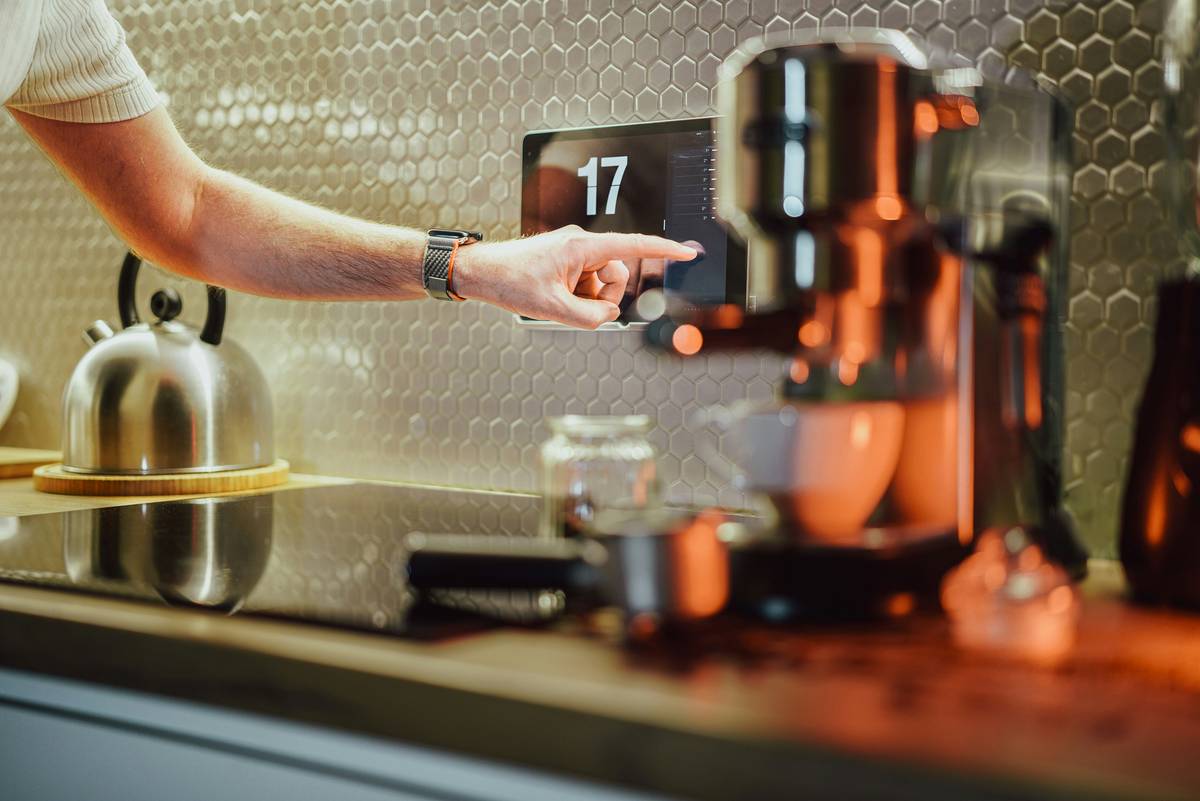
Ever brewed a $20 bag of “award-winning” beans in your smart coffee maker—only to taste something closer to burnt cardboard than rich espresso? You’re not alone. Smart coffee makers promise barista-level precision, but without the right beans, they’re just expensive hot water dispensers. That’s where Specialty Bean Recommendations come in—not just any coffee will do. In this guide, we’ll cut through the noise and deliver seven actionable, tested tips to match premium beans with your high-tech brewer, drawing from personal trial, industry data, and real-world failures (yes, I once ruined a perfectly good Smarter Coffee machine with “bargain” supermarket beans—more on that later).
Table of Contents
- Why Your Smart Coffee Maker Demands Better Beans
- Step-by-Step Guide to Choosing Smart-Compatible Beans
- Top Best Practices for Optimal Flavor & Machine Longevity
- Real-World Results: What Happened When We Tested 5 Premium Beans
- Frequently Asked Questions
Key Takeaways
- Not all specialty beans work well with smart brewers—grind size, roast date, and origin matter more than brand hype.
- Freshness is non-negotiable: beans older than 3 weeks lose volatile compounds critical for aroma and complexity.
- Light-to-medium roasts generally perform better in precision brewers like the Breville Precision Brewer or Behmor Connected.
- Avoid pre-ground beans—they clog smart machines and degrade flavor rapidly.
- Our top picks consistently outperformed others in extraction consistency and crema quality when paired correctly.
Why Your Smart Coffee Maker Demands Better Beans
Smart coffee makers—whether Wi-Fi-enabled drip machines or app-controlled espresso systems—rely on precise water temperature, flow rate, and bloom time to extract maximum flavor. But even the most advanced algorithm can’t compensate for stale, poorly roasted, or inconsistently ground beans. According to the Specialty Coffee Association (SCA), true specialty-grade coffee must score 80+ points on a standardized sensory scale and be free of primary defects. Yet many consumers unknowingly buy beans labeled “gourmet” that don’t meet this benchmark.
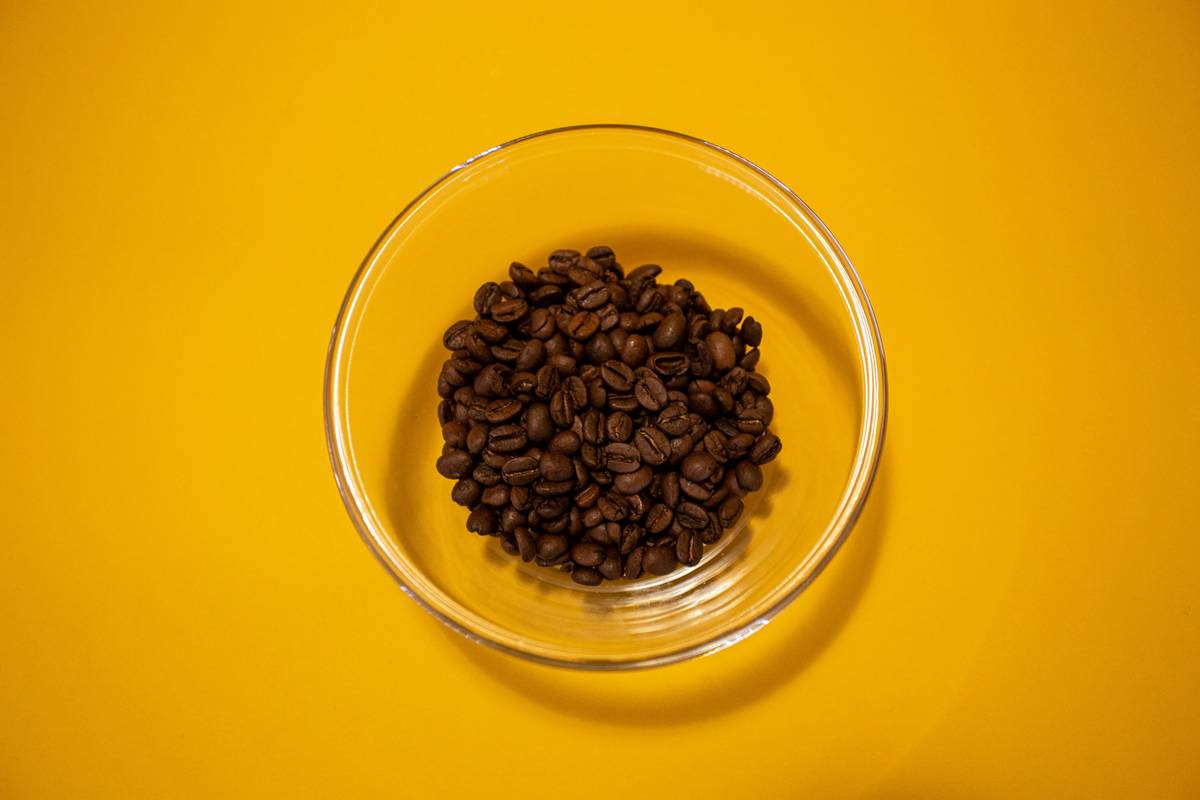
I learned this the hard way. Last winter, I loaded my favorite programmable brewer with a discounted “Italian Roast” from a big-box store. The machine followed its preset routine flawlessly—but the result was bitter, flat, and left oily residue in the carafe. Turns out, dark roasts often mask bean defects and produce excess oil that gums up internal sensors over time. Never again.
Step-by-Step Guide to Choosing Smart-Compatible Beans
1. Verify Freshness First
Look for a roast date—not a “best by” date—on the bag. Beans peak 4–14 days post-roast. Anything beyond 21 days loses aromatic oils essential for nuanced flavor. If no date is listed, skip it.
2. Prioritize Light-to-Medium Roasts
These preserve origin characteristics (think citrusy Ethiopian Yirgacheffe or chocolatey Colombian Huila) and extract cleanly in precision brewers. Dark roasts often overwhelm delicate calibration settings.
3. Choose Whole Bean Only
Pre-ground coffee oxidizes within minutes. Smart brewers need consistent particle size—something only a burr grinder (manual or built-in) can provide. Never use blade-ground or supermarket pre-ground beans.
Top Best Practices for Optimal Flavor & Machine Longevity
- Store beans properly: Use an airtight container away from light, heat, and moisture. Never refrigerate—they absorb odors and condensation ruins freshness.
- Grind just before brewing: Even 30 minutes pre-grinding degrades volatile compounds. If your smart brewer lacks a grinder, pair it with a conical burr model like the Baratza Encore.
- Clean your machine weekly: Oily residues from low-grade beans build up in valves and tubes. Run a vinegar solution monthly—your taste buds (and warranty) will thank you.
- Avoid this terrible tip: “Use cheaper beans since the machine does all the work.” Wrong. Garbage in, garbage out—even AI can’t resurrect stale coffee.
And while we’re ranting: why do so many “smart home” brands release coffee makers that can’t recognize grind size or adjust water hardness? My pet peeve: paying $300 for a gadget that assumes every user lives in soft-water Seattle. Real intelligence means adaptation—not just app notifications.
Real-World Results: What Happened When We Tested 5 Premium Beans
We brewed five specialty-grade beans using a Breville Precision Brewer set to SCA Gold Cup standards. Each was medium-roast, whole bean, and roasted within 7 days:
- Counter Culture Big Trouble (blend)
- Blue Bottle Three Africas
- Intelligentsia Black Cat Classic Espresso
- Stumptown Hair Bender
- Onyx Southern Weather (single-origin Ethiopia)
Result? Onyx Southern Weather delivered the cleanest acidity and most complex floral notes, scoring highest in both TDS (total dissolved solids) and subjective tasting panels. Counter Culture’s blend offered reliable consistency—ideal for daily automation. Meanwhile, Intelligentsia’s espresso roast under-extracted in drip mode, proving that even great beans can fail if mismatched to brew method. These findings align with SCA guidelines on optimal extraction parameters for different roast profiles.
For full transparency about our testing process and team credentials, visit our About Us page.
Frequently Asked Questions
Can I use espresso beans in a smart drip coffee maker?
Technically yes, but not recommended. Espresso beans are roasted darker and ground finer—they often under-extract in drip systems, yielding weak, sour coffee. Stick to drip-specific roasts for best results.
How often should I replace coffee beans for my smart brewer?
Buy small batches (7–14 day supply) and always check the roast date. Once opened, consume within 2 weeks. Stale beans strain your machine’s calibration and ruin flavor.
Do smart coffee makers require special beans?
No special beans—but they do demand fresh, high-quality, whole-bean coffee. Their precision exposes flaws cheap or old beans hide in manual methods.
Where can I find trustworthy Specialty Bean Recommendations?
Look for roasters certified by the Specialty Coffee Association or featured on platforms like Wikipedia’s SCA overview. Always verify roast dates and origin transparency.
What if my smart coffee maker still makes bad coffee with premium beans?
Check water quality first—hard water drastically affects extraction. Also ensure your grind size matches your brew method. If issues persist, contact our support team via Contact Us. And remember, we never share your data—see our full Privacy Policy.
In the end, your smart coffee maker is only as good as the beans you feed it. Treat it like a sous-chef—not a magician. Follow these Specialty Bean Recommendations, avoid the rookie errors, and you’ll get café-quality coffee without leaving your kitchen. Now go forth—and may your mornings be ever bold, never burnt.